
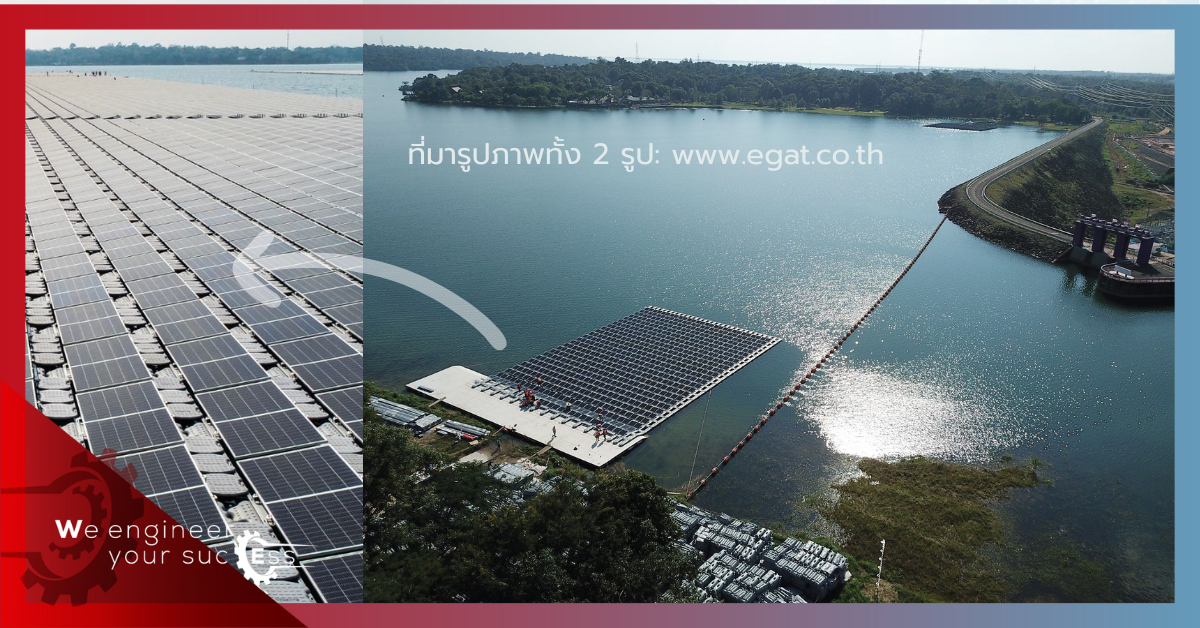
In today’s world, clean and sustainable energy is more important than ever. One innovative solution gaining attention is floating solar, or floating solar farms—solar panels installed on water surfaces like reservoirs or lakes to generate electricity from sunlight.
This article explores the benefits and challenges of floating solar technology, based on information presented in the accompanying visuals.
Benefits of Floating Solar
Reduces Water Evaporation
Floating solar panels help block direct sunlight from hitting the water’s surface, reducing evaporation. This is especially useful in areas facing water shortages.
Easy to Install
Unlike land-based solar systems, floating solar does not require extensive site preparation or complex foundations. This makes installation quicker and more flexible.
No Land Required
One of the biggest advantages is that it doesn’t take up valuable land—often a major limitation for large-scale solar projects. It makes efficient use of available water surfaces.
Improved Energy Output from Cooling Effect
Water naturally cools the solar panels from underneath, helping reduce their temperature. This can boost their efficiency and extend their lifespan.
May Reduce Algae Growth
By shading the water, solar panels can reduce sunlight penetration, which may help slow algae growth and improve water quality over time.
Water Readily Available for Cleaning
Since the system is surrounded by water, it’s easier to clean the panels, helping maintain good energy production.
Can Work Together with Existing Hydropower Plants
Floating solar can be integrated with existing hydropower facilities, sharing infrastructure such as transmission lines. This improves overall resource efficiency.
Challenges of Floating Solar
Bird Droppings and Dirt
Water bodies often attract birds. Their droppings can soil the panels, lowering energy output and requiring frequent cleaning.
Electrical Safety and Equipment Longevity
Electrical equipment near water faces higher risks from moisture and corrosion. Systems must meet high safety standards to ensure durability and long-term use.
Maintenance Can Be More Complex
Maintaining floating systems may be more challenging than land-based ones. Special equipment, boats, or even divers may be needed, which adds time and cost.
Anchoring and Stability
Floating platforms must be securely anchored and designed to handle changing water levels, wind, and waves. The setup varies depending on the type of water body.
Possible Environmental Impacts from Reduced Light
Blocking sunlight can affect underwater ecosystems, especially aquatic plants and plankton that rely on sunlight. Environmental impact studies and proper mitigation measures are essential.
Floating solar is a promising technology that can help meet the world’s growing demand for clean energy. However, it’s important to carefully consider both its benefits and challenges to ensure that projects are efficient, safe, and environmentally sustainable.
