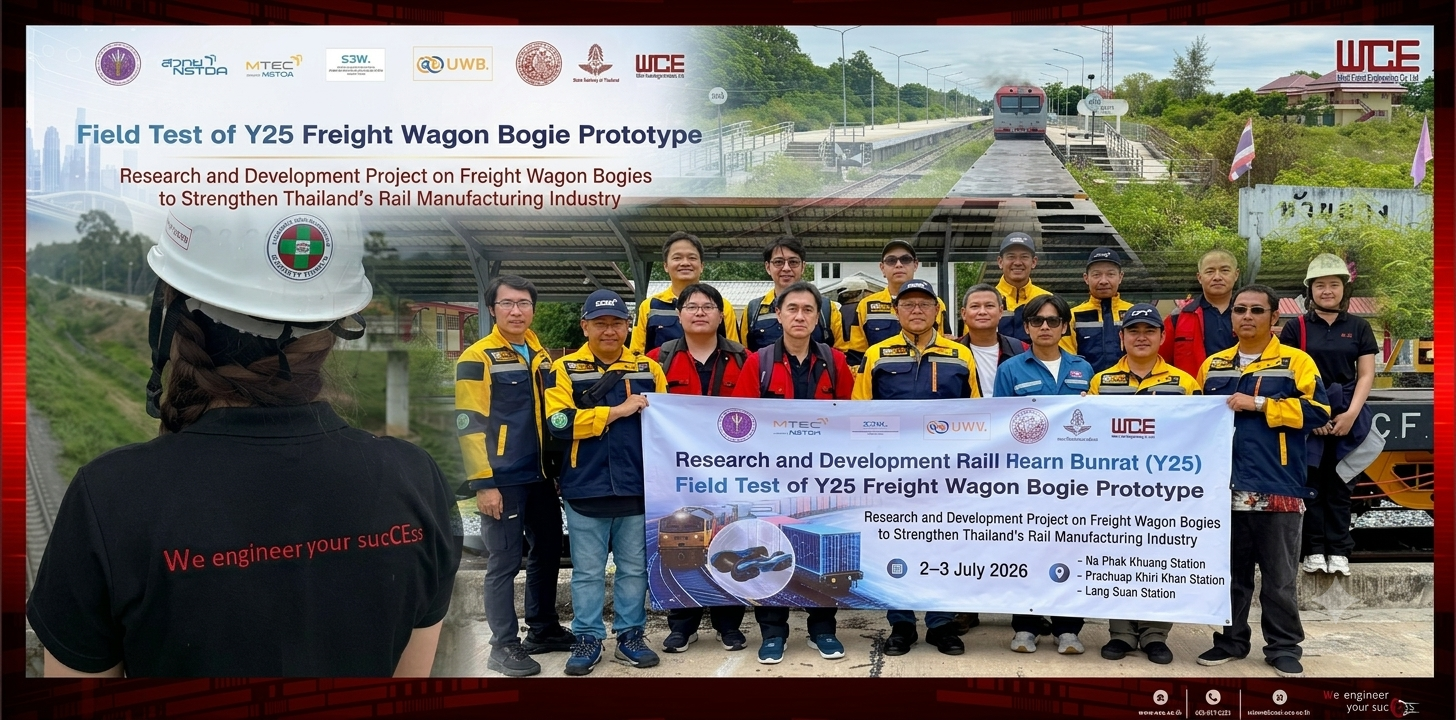
Understanding the Fabricated Bogie: The Heart of a Freight Train
A bogie is the wheeled undercarriage structure that supports a rail vehicle and transfers its weight to the tracks. A fabricated bogie is built from steel plates that are cut, formed, and welded into a structural assembly—distinct from cast bogies, which are shaped through casting.
The Y25 prototype is a widely adopted freight wagon bogie standard used across European and global rail networks, valued for its durability, high load capacity, and running safety.
Manufacturing a fabricated bogie demands precision across multiple dimensions:
Structural welding to international standards
Dimensional control at the millimetre level
Non-destructive testing (NDT) to verify weld integrity
Mechanical assembly of components that must operate together under sustained high loads
A Three-Year Journey Toward Local Rail Component Manufacturing
The Y25 bogie prototype research and development project was made possible through the collaboration of key national organizations:
State Railway of Thailand (SRT) — end user and technical specification authority
Program Management Unit for Competitiveness (PMU-C) — research funding
National Science and Technology Development Agency (NSTDA) and National Metal and Materials Technology Center (MTEC) — engineering knowledge development
WCE through its Rail Transportation Engineering (RTE) business unit—prototype manufacturing
Research and standards partners
The project progressed intensively through engineering design, materials selection, manufacturing processes, welded assembly, and laboratory testing—before advancing to the field test phase.
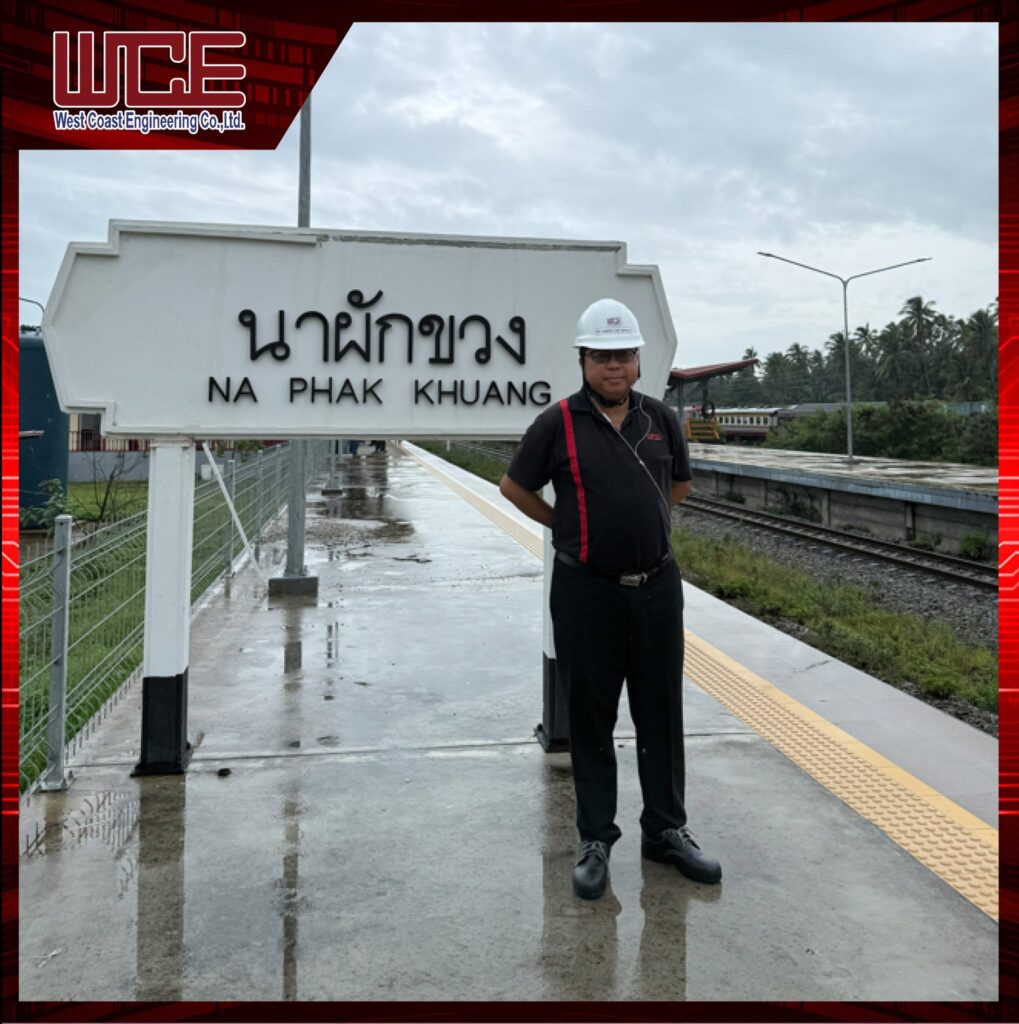
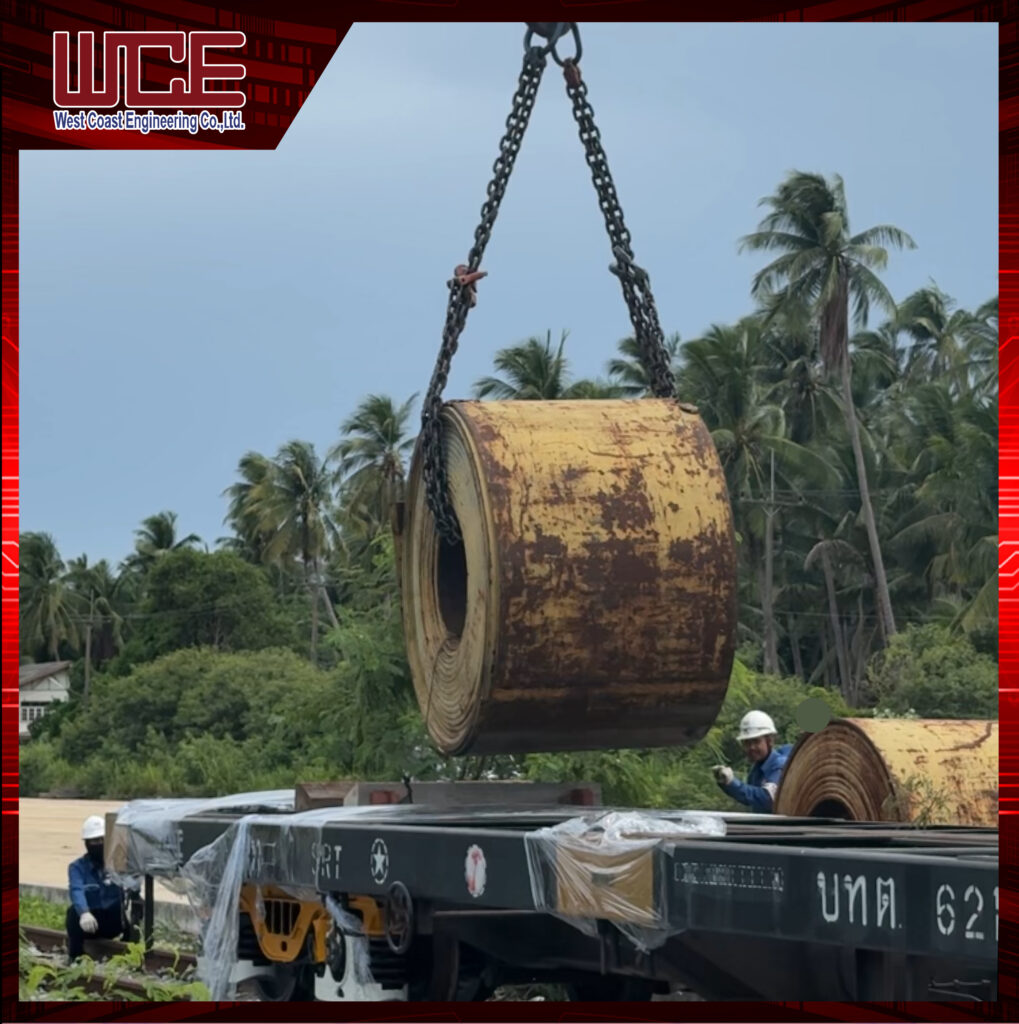
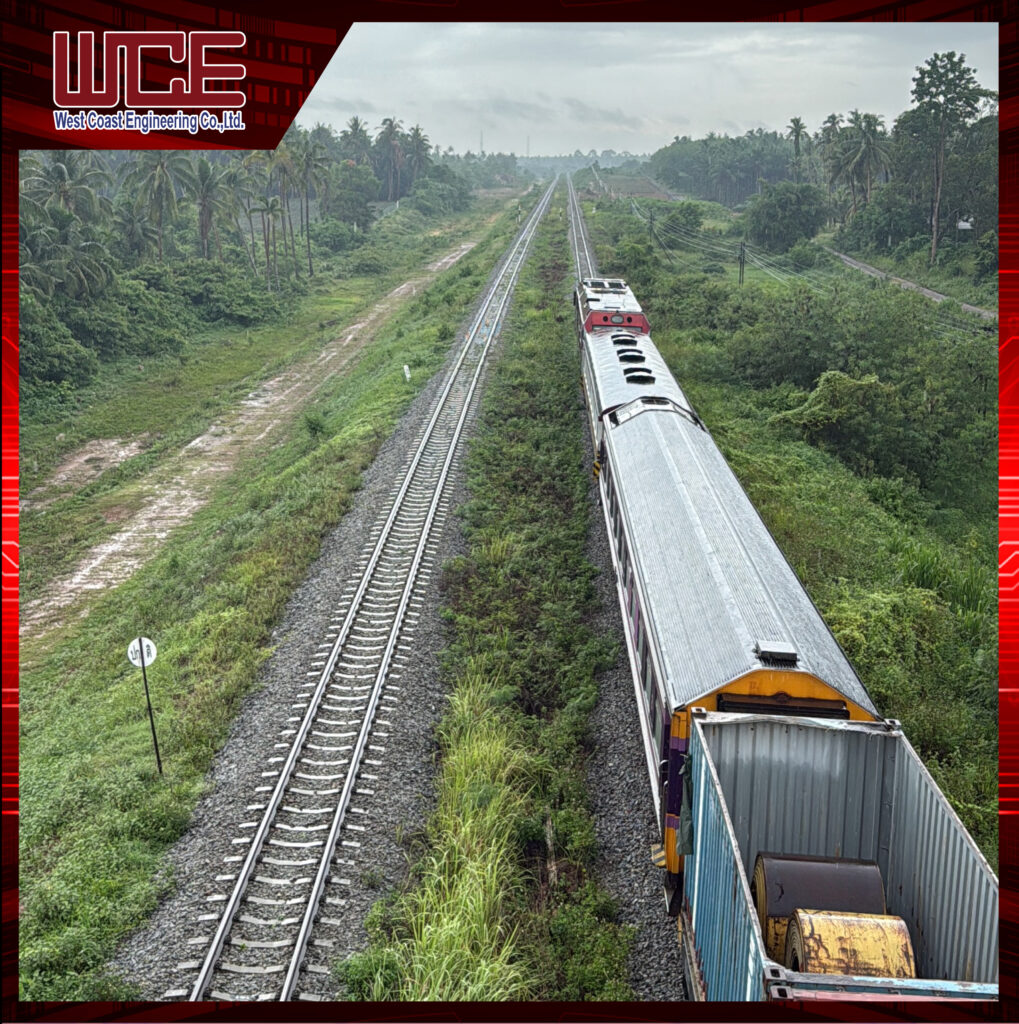
On-Track Field Testing
On 2–3 July 2026, teams from all participating organizations conducted the field test of the Y25 bogie prototype on live railway lines in southern Thailand, covering:
📍 Na Phak Khuang Station
📍 Prachuap Khiri Khan Station
📍 Lang Suan Station
Field testing represents the most critical step in validating the quality and safety of a domestically produced bogie before it can enter actual service.
What This Means for Thailand’s Railway Industry
The success of this project reflects the capabilities of Thai industry across three key dimensions:
- Reduced import dependence — bogie components previously imported can now be produced domestically
- Tangible Local Content development—laying the foundation for a more self-reliant Thai railway industry
- Elevated engineering capability — building the knowledge base and workforce to support future rail projects
WCE’s Commitment to Thai Industry
WCE is proud to have been entrusted with a role in this national-level project. Backed by our capabilities in structural engineering, welding, and standards-compliant manufacturing, we are ready to support every initiative that advances the potential of Thai industry—building the future of Thailand’s railway system, together.
We engineer your sucCEss.
:
📞 +66 65-937-6283
📧 international@wce.co.th
🌐 www.wce.co.th